
Howdy, Marketer!
Today we’re gonna be looking at a deodorant brand that gets sold every 5 seconds!
And the part I found most shocking is: the hero product, i.e the deodorant, costs $20.
Salt & Stone got here by treating a commodity category, body care, the aisle everyone ignores, like it was a luxury fragrance house from day one.
If you work in D2C, beauty, or personal care, read to understand how design language and scent strategy can lift a product out of its price bracket entirely.

Today's Treasure Trove
advertisement
Empanada | Drive B2B Pipeline By Activating Your Team On LinkedIn

Your people are a huge, untapped lead channel.
Empanada solves that.
I put together a 4-minute video showing exactly how this works.
No call, no calendar link, just watch: demo walkthrough.
If it looks like something your team could use, hit reply and I'll get you set up.
What is Salt and Stone
Salt & Stone makes aluminum-free deodorant, body wash, body mist, body cream, body oil, and candles. It was founded in 2017 by Nima Jalali, who re-engineered a low-engagement commodity like deodorant into a high-margin aesthetic status symbol.
Target Demographics and Positioning
The brand doesn't split its marketing by gender the way most personal care companies still do.
Its core buyer is someone who already reads ingredient labels, already shops Erewhon or Sephora, and has been primed by the broader "clean beauty" wave to expect performance.
They refuse to compete on the terms of the deodorant aisle. Jalali studied fashion, streetwear, and lifestyle brands instead of other beauty companies when building Salt & Stone's visual identity - and it shows.
The packaging is minimal, monochrome, apothecary-coded. The five scent families read like a niche perfumer's catalogue.
There's also a founder decision here worth sitting with, because most challenger brands do the opposite. Jalali deliberately kept himself out of the brand.
No founder-face campaigns, no personal Instagram leverage, no "built by a snowboarder" storytelling front and center.
“I don't believe in making a celebrity out of a non-celebrity. I want to create a brand that's a legacy brand, and that's not going to come and go because of one person.”
Salt & Stone sells the feeling of luxury at a price point that functions as an easy, impulse-friendly upgrade to a person's daily routine.
Also Read: Erewhon’s Marketing Strategy
Marketing Strategies of Salt & Stone
1. Design as the Primary CAC Reducer
More often than not, direct-to-consumer brands try to solve high Customer Acquisition Costs (CAC) by constantly tweaking ad copy, testing new funnel tactics, or pumping more money into Meta ads.
Salt & Stone took a completely different path: they made the physical product so visually striking that it marketed itself.
The packaging features muted, earthy tones - terracotta, slate, stone, warm amber - combined with heavy aluminum caps, textured matte surfaces, and clean typography.
The physical weight and tactile feel of the sticks and bottles evoke architectural objects rather than disposable plastic containers.
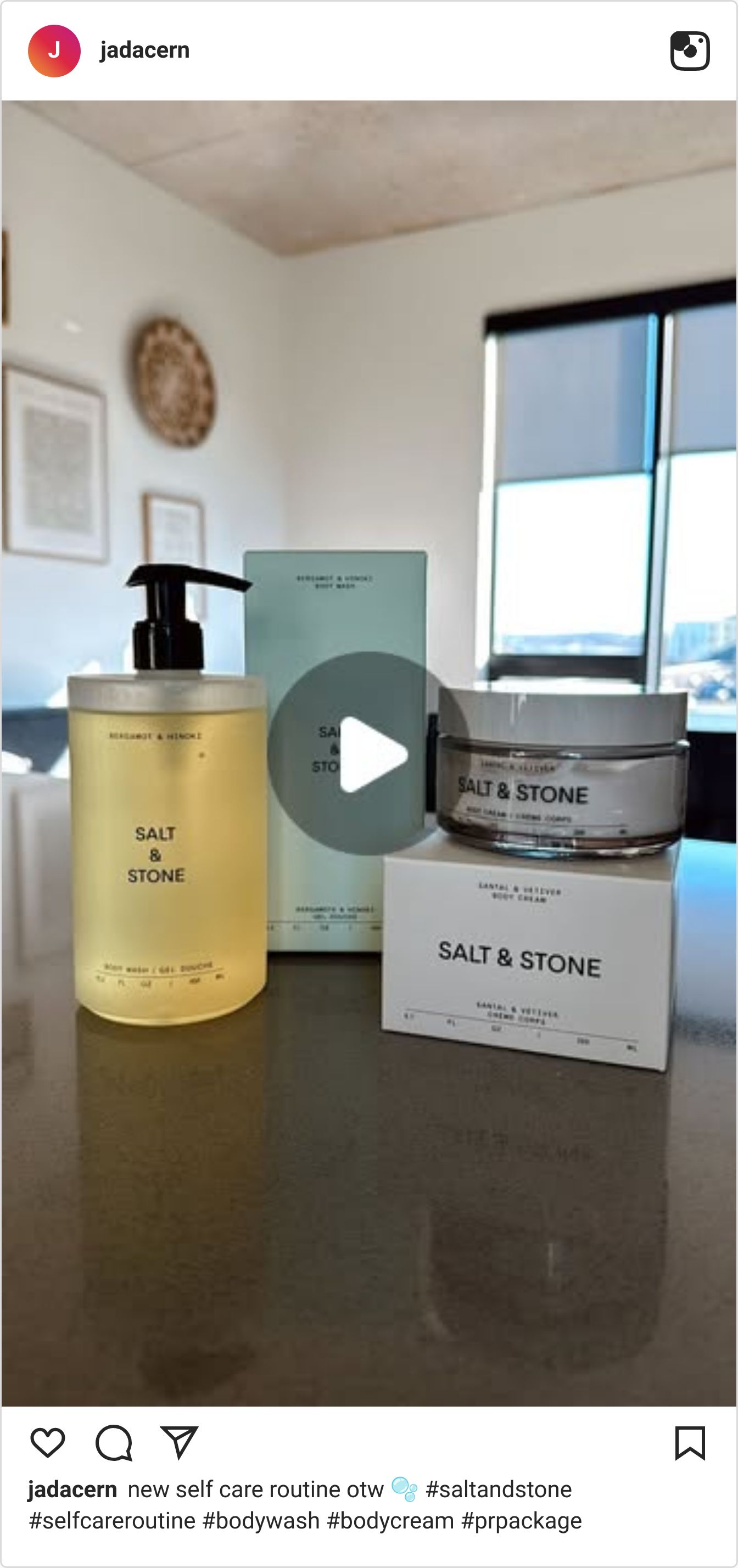
They also sent out PR packages to creators to occupy a space in their target audience’s minds.
2. Fine Fragrance vs. Natural Essential Oils
In the clean body care space, most brands default to basic essential oil blends like lavender, peppermint, or eucalyptus.
Salt & Stone took inspiration from niche perfumery instead, partnering with world-class fragrance houses to build complex, layered scent profiles.
Their flagship scent, Santal & Vetiver, became a viral phenomenon because it mirrored the woodsy, sophisticated olfactory notes popular in high-end unisex fragrances. Instead of marketing a deodorant that stops sweat, they marketed it as a fine fragrance disguised as a deodorant.
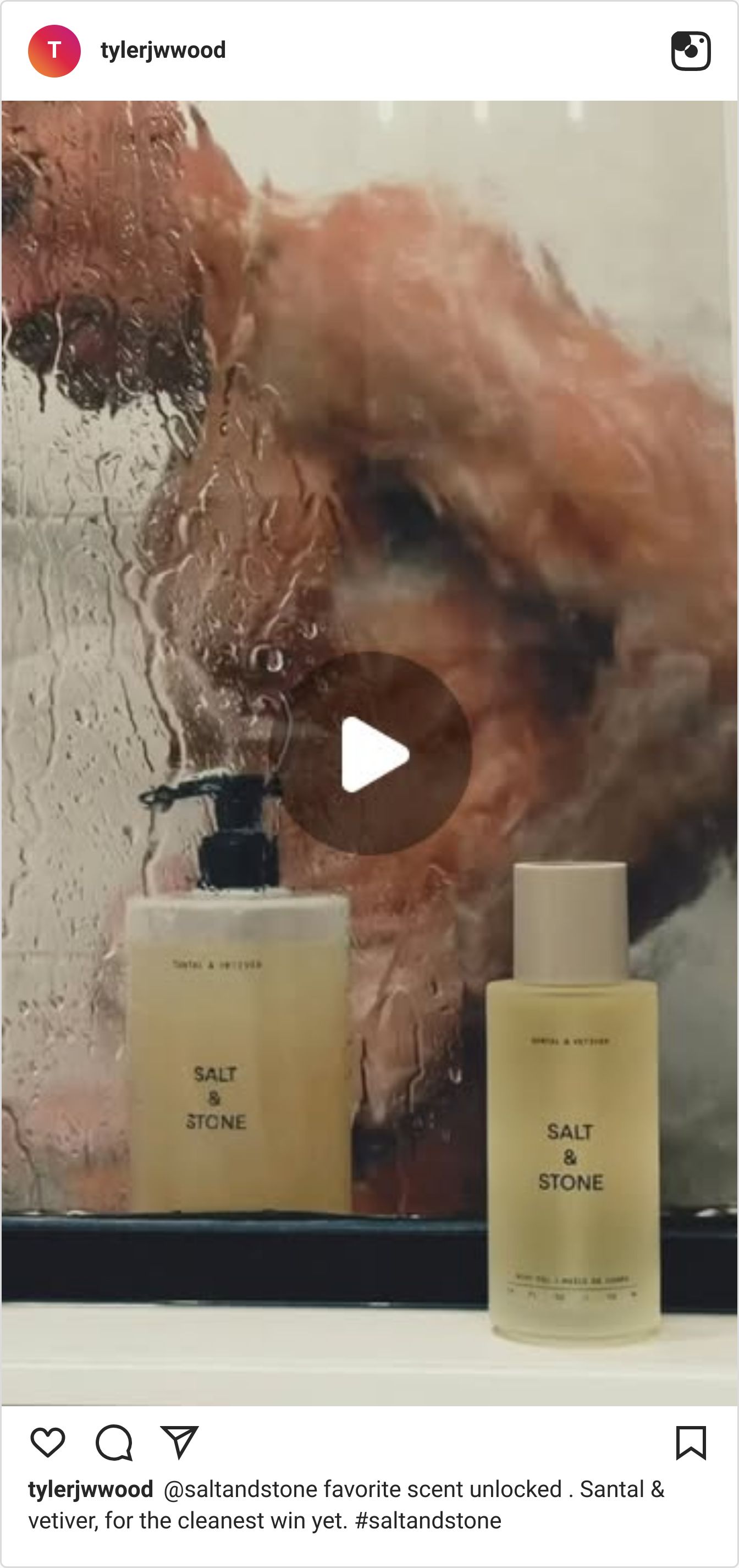
This sensory differentiation allowed them to move away from competitive battles over ingredients or active hours, moving the conversation entirely to mood, scent memory, and sensory ritual.
3. Retail vs DTC
Jalali spent years building the digital side first - website, ads, email, and DTC conversion.
For any DTC brand, this helps because you get to know your customer in depth when you directly interact with them. This informs ads, retention, conversion, content, and product - all of which gets perfected before rolling it out everywhere.
That single decision, delaying the most obvious growth channel to build leverage instead, is why for the retail partnerships that followed (Sephora across six regions, Nordstrom, Erewhon, Dover Street Parfums Market in Paris), the brand could have stronger terms.
DTC still makes up 40% of total sales even now.
4. Unexpected Collaborations
Collaborations follow a streetwear logic, not a beauty industry one.
Instead of the usual celebrity-name-on-a-shade playbook, Salt & Stone has partnered with Leon Bridges, Stüssy, Outdoor Voices, Brain Dead, and, most recently, Kendall Jenner's 818 Tequila for a Coachella-timed Amber & Agave collection built directly from the tequila's flavor profile.
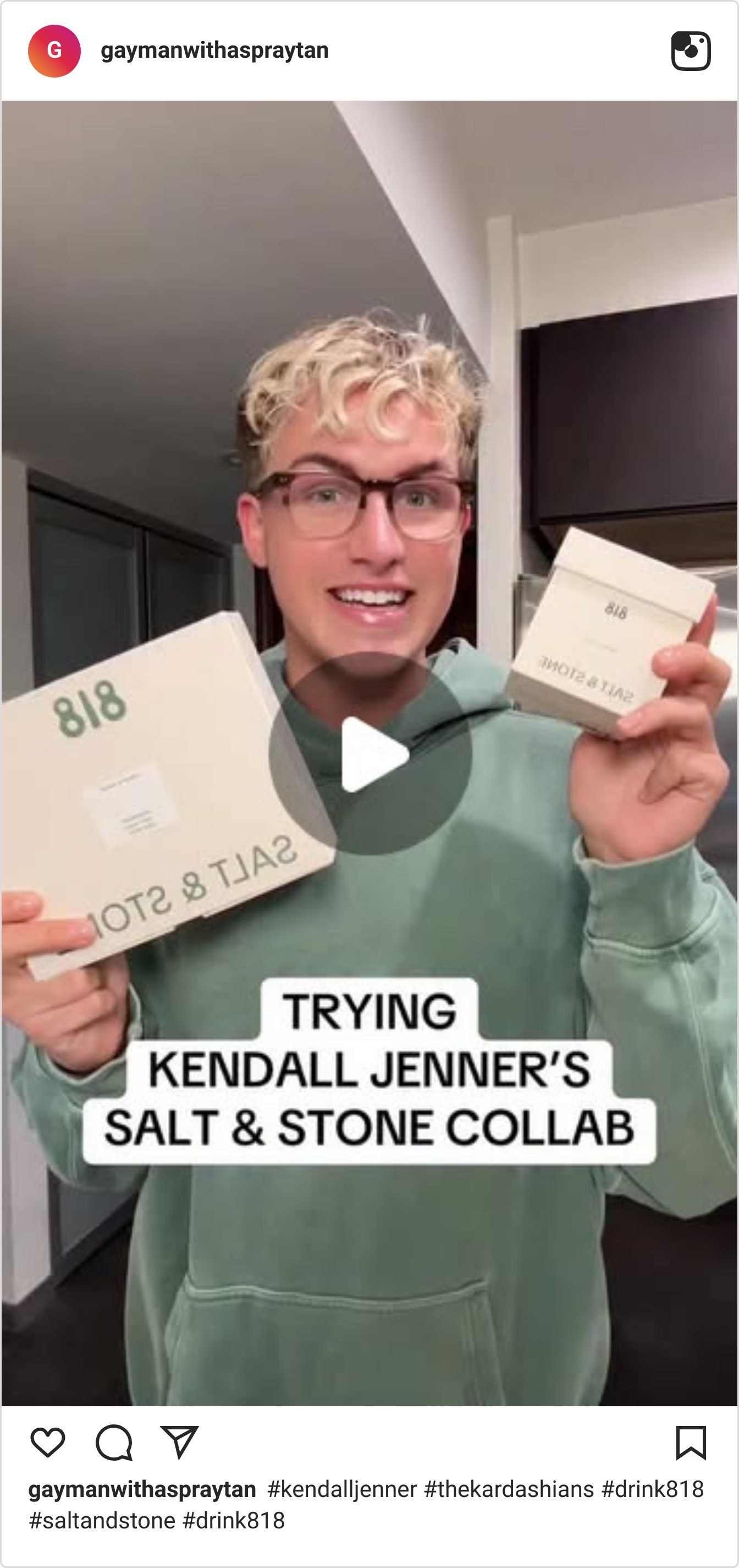
These partners are deliberately not beauty brands.
It keeps Salt & Stone coded as culture rather than category, which matters enormously when the entire brand promise rests on feeling premium rather than being clinically superior.
Also Read: How to build a cult brand
Wrap Up
Salt & Stone taught me that you don't have to reinvent the product category to build an extraordinary business.
Deodorant is a century-old commodity. But Salt & Stone was able to strip away the commodity badge and turned everyday body care into a desirable luxury symbol.
If you are building in a crowded, noisy market, look at how you can transform the sensory experience, the physical packaging, and the cultural context of your product.
When your product double-jobs as an aesthetic flex, your customers will gladly do your marketing for you.
✌️,
Tom from Marketer Gems

